Balanced Lifting Without Dangerous DIY Attempts
High Tension Spring Replacement in Navarre for doors that won't lift or made a loud snap indicating spring failure
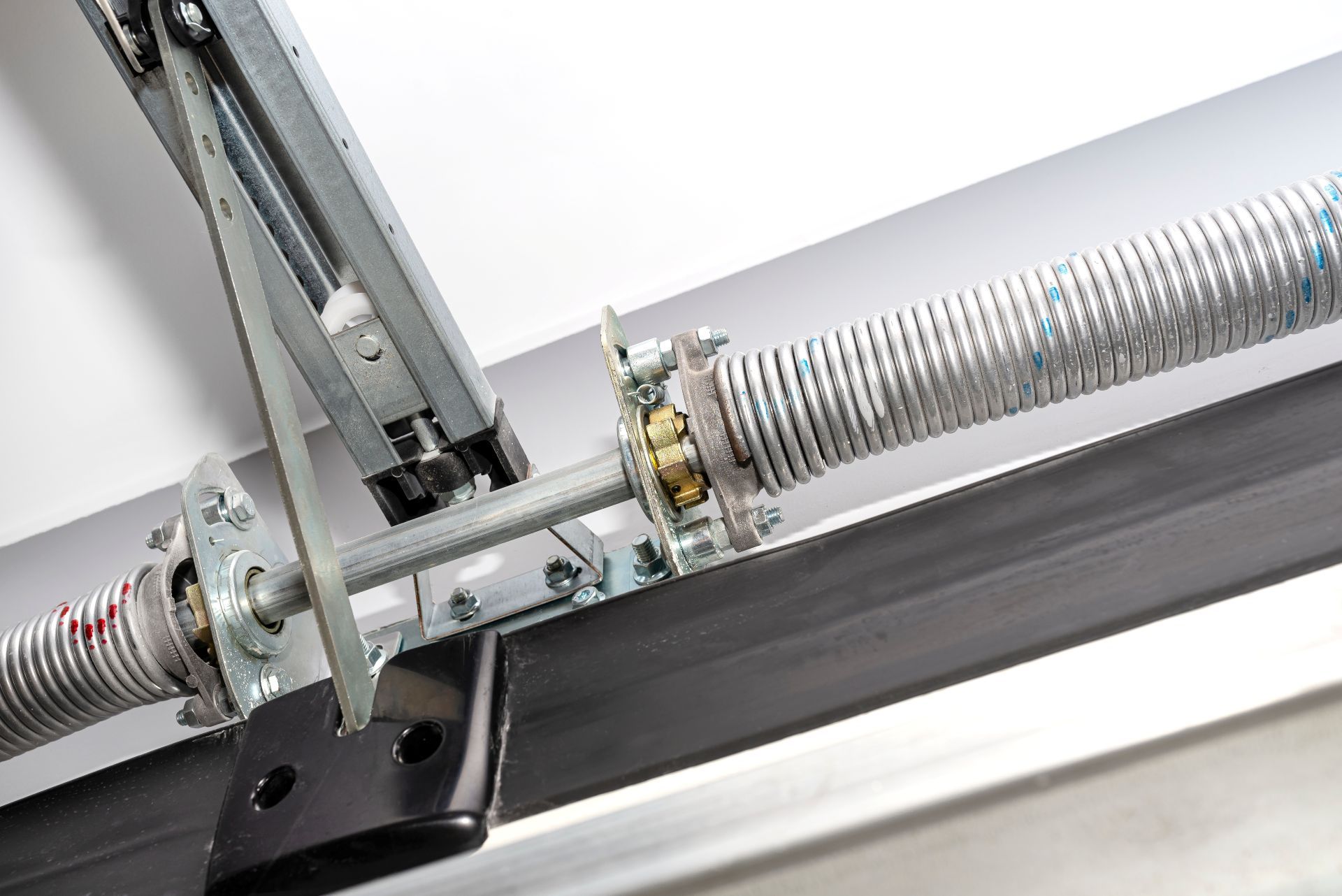
Garage door springs store sufficient tension to lift several hundred pounds of door weight, and when that tension releases suddenly during a break, the metal coil can whip violently enough to cause severe injury or property damage if you're standing nearby. Homeowners attempting spring replacement without proper tools and training risk serious harm from uncontrolled spring release, improper winding that leaves the door unbalanced, or using incorrect spring sizes that cause premature failure or motor strain. That Garage Door Guy handles all spring replacement work across the Navarre area using calibrated winding bars and torque specifications matched to your door's weight, ensuring safe installation and proper balance that prevents the door from falling unexpectedly or putting excessive load on the opener motor.
Spring replacement begins with measuring the existing springs to determine wire gauge, inside diameter, and length, then matching those specifications to new springs rated for the correct cycle life based on your door's usage frequency. Torsion springs mount on a shaft above the door and require precise winding to achieve the tension needed for balanced lifting, while extension springs run along the horizontal tracks and must be installed with safety cables that prevent the spring from becoming a projectile if it breaks under load.
Arrange a spring replacement service to restore safe, balanced door operation and prevent motor damage from an unbalanced system.
What Proper Spring Service Requires
Installing torsion springs involves securing one end to the spring anchor bracket, winding the coil to the specified number of turns using steel winding bars that prevent sudden release, and locking the tension with set screws tightened to precise torque values. Incorrect winding creates an unbalanced door that's either too heavy for the opener to lift or too light, causing it to fly open dangerously when released from the closed position, while using springs with insufficient cycle ratings leads to early failure and repeated replacement costs.
After spring replacement, your door lifts smoothly when you pull the emergency release and raise it manually, stays in place when partially open without drifting up or slamming down, and requires no more than about ten pounds of force to move. The opener operates without straining or hesitating, and the door no longer crashes closed or requires multiple attempts to reach the fully open position, indicating the spring tension correctly counterbalances the door weight throughout its travel range.
Spring service includes adjusting cable tension and verifying roller condition to ensure all components work together for balanced operation, but does not repair structural issues like bent tracks or damaged panels that affect how the door moves independent of spring tension. High-cycle springs rated for 25,000 or more cycles last significantly longer than builder-grade springs in homes where the garage door sees heavy daily use from multiple vehicles and frequent pedestrian access.
Questions Before Starting Your Project
Spring failures create immediate concerns about safety and repair costs, and property owners often need to understand why professional service matters and what affects spring longevity before authorizing replacement work.
Why is DIY spring replacement so dangerous?
Torsion springs under full tension can release with enough force to break bones or cause fatal head injuries if the winding bar slips or the spring breaks during installation, and incorrect winding creates unbalanced doors that fall unexpectedly and crush anything in their path.
How long do replacement springs typically last?
Standard springs last 10,000 to 15,000 cycles, meaning a door used four times daily reaches that limit in about seven to ten years, while high-cycle springs rated for 25,000 or more cycles extend lifespan proportionally based on actual usage frequency.
What signs indicate a spring is about to fail?
Visible gaps in the coil winding, rust accumulation along the spring length, doors that become harder to lift manually over time, and the opener straining or reversing when trying to raise the door all suggest the springs have weakened and should be replaced before complete failure occurs.
Do both springs need replacement if only one broke?
Replacing both springs at once prevents the scenario where the remaining spring, which has experienced the same wear cycles, fails shortly after the first replacement, requiring another service call and duplicate labor costs within months.
How does the coastal environment in Navarre affect spring lifespan?
Salt air accelerates rust formation on uncoated springs, and humidity promotes corrosion in the coil windings where moisture becomes trapped, making corrosion-resistant springs and regular lubrication more important for extending service life in coastal locations.
That Garage Door Guy uses durable, properly rated springs and professional installation techniques to restore safe door operation and prevent the injuries that result from amateur spring work. Contact us to schedule spring replacement and restore your door to balanced, reliable function.